WeChat Official Account vs. Mini Program: Which Does Your Brand Need?
The two building blocks of a WeChat presence do very different jobs. Here's how Official Accounts and Mini Programs compare — and which one an overseas brand should launch first.
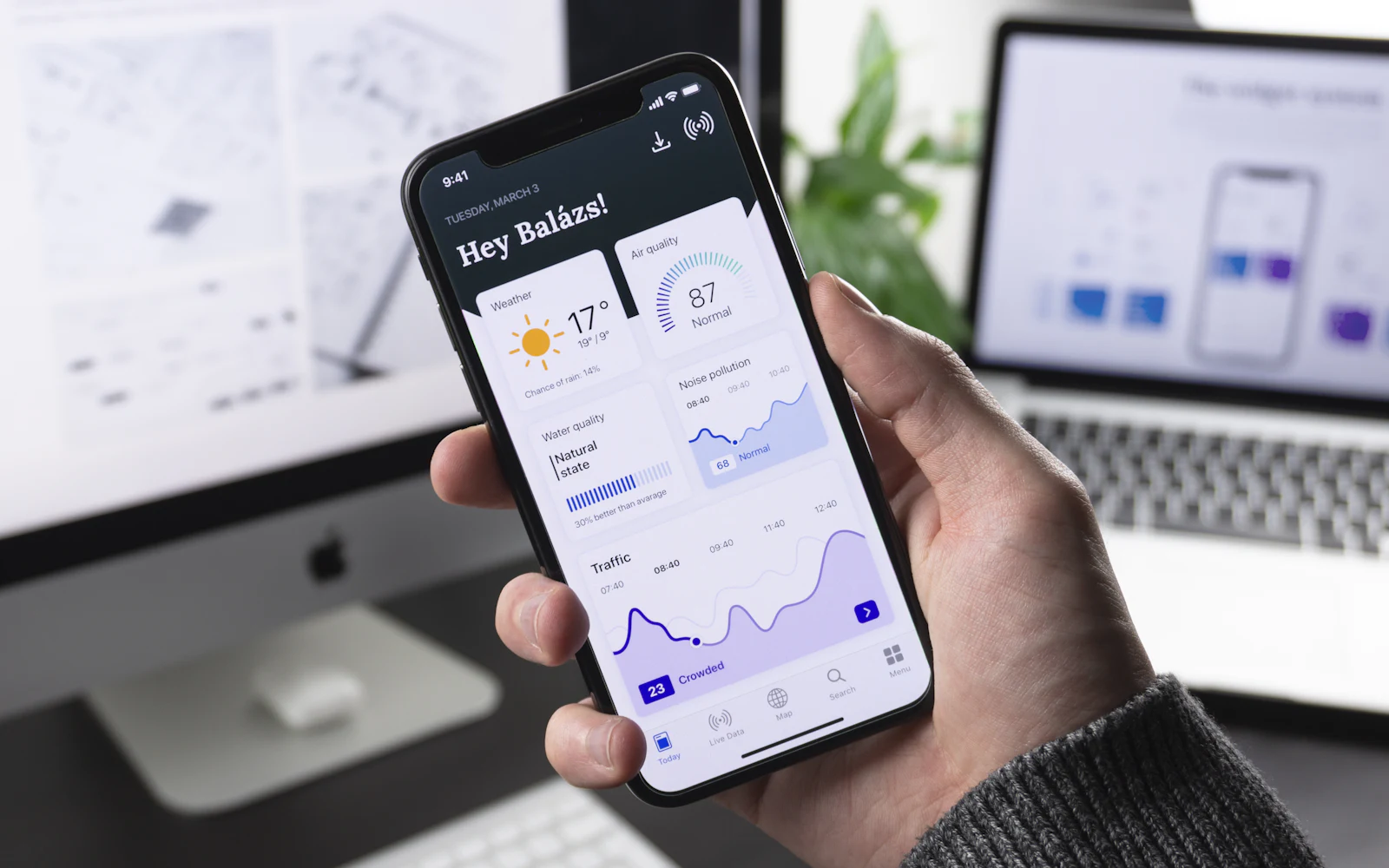
If your brand is planning a China channel, the conversation starts with WeChat — and almost immediately runs into two terms that sound interchangeable but aren't: the Official Account and the Mini Program. They're built on the same platform, managed from the same ecosystem, and yet they do completely different jobs. Launching the wrong one first is one of the most common — and most expensive — sequencing mistakes overseas brands make.
The short version: an Official Account is a media and CRM channel — it lets you publish and message. A Mini Program is a product — your storefront, booking engine or app, running inside WeChat. If your goal is revenue, you will almost always need the Mini Program. The Official Account supports it.
What a WeChat Official Account actually is
An Official Account (公众号) is your brand's verified identity inside WeChat, with a follower relationship attached. Think of it as a newsletter, a light CRM and a customer-service desk rolled into one. There are two types, and the difference matters:
- Subscription accounts can publish daily, but their posts are folded into a shared "Subscriptions" drawer. They suit publishers and media brands that live on content volume.
- Service accounts can only broadcast a few times per month, but they appear directly in the user's chat list like a contact, and they unlock the platform's business capabilities — advanced APIs, template/service notifications, and the connection to a WeChat Pay merchant account. For almost every overseas business, this is the right type.
An Official Account is good at announcements, campaign content, retention messaging (order confirmations, booking reminders) and acting as the front door for customer service. What it is not good at is selling. Articles are a reading format; navigating a catalogue or completing a booking through them is clumsy, and users know it.
What a Mini Program actually is
A Mini Program (小程序) is a full application that runs inside WeChat — no app-store download, no install decision, no login wall. It opens instantly from a QR code, a search, an Official Account menu, or — most importantly — a share card passed into a group chat that lands the recipient directly on a product or booking page.
Inside it, you control the entire experience: catalogue, booking calendar, checkout with WeChat Pay, membership and coupons. For the user it feels native, because it is — Mini Programs are how hundreds of millions of Chinese consumers order coffee, book hotels, hail rides and buy from brands every day.
That share-card mechanic is worth pausing on. Chinese consumer trust travels through group chats and Moments, not search ads. A Mini Program is the only WeChat-native format that lets a recommendation ("book this one, we used them last month") arrive as a tappable, instantly payable object. That's the growth loop an Official Account can't replicate.
Side by side
| Official Account | Mini Program | |
|---|---|---|
| What it is | Publishing + messaging channel | An app inside WeChat |
| Core job | Reach, retention, service | Conversion: browse, book, pay |
| User relationship | Follows you | Uses you (no follow needed) |
| Discovery | Content, search, shares | Share cards, QR, search, OA menus |
| Payments | Via linked pages only | Native WeChat Pay checkout |
| Build effort | Low (setup + editorial) | Medium (it's a product) |
| Ongoing cost | Content cadence in Chinese | Iteration + operations |
How they work together
The standard stack for a consumer brand is a service account plus a Mini Program, wired together:
- The service account holds your verified brand identity and your followers.
- Its menu buttons and article footers deep-link into the Mini Program.
- The Mini Program handles browsing, booking and payment.
- Payment events trigger service notifications back through WeChat — confirmations, reminders, pickup notices — which is retention infrastructure most Western brands would pay a CRM vendor for.
Offline, the same Mini Program is one QR code away: on a counter, a menu, a brochure, a hotel key card.
Which should an overseas brand launch first?
Ask one question: do you want measurable bookings or sales from China in the next 12 months?
If yes, build the Mini Program first. It's the asset that converts, and everything else — content, KOL seeding, QR placement — needs somewhere to send people. Launching an Official Account first feels productive, but it commits you to a Chinese-language editorial calendar before you have anything to sell, and "follow us" is a much weaker call to action than "book now."
The sequence we run at CN1X: register the service account and Mini Program together (the verification paperwork overlaps, so doing both at once saves time), build and launch the Mini Program storefront, then let Official Account publishing scale up once there's real demand to nurture. Our how-it-works process is built around that order.
Registration notes for overseas companies
Both account types can be registered and verified by an overseas entity using your local business documents — you do not need to incorporate in China to start. A few practical notes:
- Verification is a review, not a formality. Names, categories and qualification documents are checked. Regulated categories — including medical services and medical aesthetics — need additional credentials, so have them ready before you apply.
- Payments are a separate track. A cross-border WeChat Pay merchant account lets you charge in RMB and settle in your home currency; we cover the details in our guide to WeChat Pay and Alipay for overseas businesses.
- Timelines are real but manageable. Verification typically takes days to a couple of weeks; a focused Mini Program storefront launches in 2–4 weeks once accounts are in place.
Where CN1X fits
We register the accounts, build the Mini Program, connect payments and then operate the channel — end to end — for overseas tourism, beauty and lifestyle brands. If you're deciding what your first WeChat asset should be, that's exactly the conversation we like: tell us what you sell, and we'll map the sequence with you.
More from the blog

Korean and Japanese Operators Selling into China
A short flight changes the customer. What long-haul advice gets wrong for operators in Korea and Japan, and which barriers you have already cleared.
What a Month of Running the Account Actually Looks Like
"What is the ongoing commitment" is really a question about calendars. Where the hours land, who they land on, and which parts cannot be batched.

What You Supply Before a Mini Program Build Starts
The quote is signed and then three weeks pass with nothing visible happening. Almost always the build is waiting on things only you can hand over.