Why Your Chinese Customers Never Answer Email
Email is a dead channel for Chinese consumers. Here's what replaces newsletters, support inboxes and receipts in a messaging-first market — and how to adapt.
Your booking confirmation went out on time. So did the pre-arrival guide, the monthly newsletter, and the polite follow-up asking how the trip went. From your Chinese customers: silence. Not bounces, not unsubscribes, not spam complaints — just nothing, as if the messages fell into a void.
They more or less did. For most Chinese consumers, the email inbox is not where daily life happens. It's a formality — needed to register on foreign websites, used at some workplaces, otherwise ignored for weeks at a time. If your funnel assumes email the way Western funnels do — confirm, nurture, support, win back — then for Chinese customers, everything after the payment screen happens in a room they never enter.
The short version: email never became a consumer habit in China; messaging did. Nearly every consumer-facing job your email stack performs has a messaging-native replacement — newsletters become accounts people follow and permissioned notifications, the support inbox becomes a chat window, and receipts live inside the app where the purchase happened. Adapting is less a translation exercise than a re-plumbing one.
Why email never took hold
The usual explanation — China skipped the desktop era — is only half right. China had desktop years; what it never had was an email habit. Even then, instant messaging filled the roles email plays in the West: QQ, not an inbox, was the default identity, the default notification channel, the default way a business wrote to you. The smartphone era entrenched that with WeChat, which today combines messaging, payments, identity and storefronts in a single app.
Email still exists, of course. Many consumers have an address — often the QQ mailbox that comes attached to a chat account opened years ago — and white-collar workers use email at the office. But as a consumer channel it is checked rarely, trusted little, and associated with two things: registration formalities and spam. A message from a brand's verified WeChat account arrives with platform-level identity attached; an email from an unfamiliar foreign domain arrives looking like everything a cautious user has been taught to delete.
The consequence is blunt: campaigns that perform respectably in your home markets commonly go unread in China — not because the content missed, but because nobody was standing where it landed. This is not a channel you can revive with better subject lines or send-time optimization. The inbox itself is the problem.
The replacement stack, at a glance
Chinese platforms rebuilt every function of the email stack inside messaging — mostly inside WeChat, where a business presence usually means an Official Account (a followable brand channel) connected to a Mini Program (an app-like experience that runs inside WeChat, typically used as a storefront). Map your email jobs onto that world and the gaps become concrete:
| Job your email stack does | Messaging-native equivalent |
|---|---|
| Newsletter / nurture sequence | Official Account posts, delivered to followers inside WeChat |
| Transactional email (confirmation, shipping, reminder) | Service notifications from your Mini Program; template messages from your Official Account |
| Support inbox | Chat — customer-service conversations inside WeChat |
| Receipts and documents | Live order pages in the Mini Program; files sent in chat |
| Email address as login and identity | Phone number, plus one-tap WeChat authorization |
| Password-reset email | SMS one-time codes |
Three of those rows are where email-first teams get burned, so they get their own sections.
Newsletters become channels people chose to follow
The newsletter's replacement isn't a Chinese-language newsletter — it's an Official Account. Customers opt in by following, your posts arrive in a dedicated space inside WeChat, and readers can share, save, or message you back from the same screen.
Two differences change how you plan. First, distribution is permissioned far more strictly than email ever was: broadcast frequency is capped by the platform, and the templated notifications you can push — order updates, appointment reminders, booking changes — are tied to transactions or explicit subscription, not to a list you grew or bought. You cannot blast. That constraint keeps the notification channel high-signal: a templated notification that does arrive is far more likely to be seen than a marketing email. Broadcast posts earn no such privilege — they compete for attention in a feed, like content anywhere else.
Second, the bar for content is higher because the context is intimate. Your post sits in the same app as messages from friends and family. The catalog-style "company news" content that limps along in an inbox tends to die here; useful, saveable, locally written material is what earns and keeps follows.
The support inbox becomes a chat window — and the clock speeds up
In a messaging-first market, customers expect to reach a business the way they reach a friend: open a chat, type a question, get an answer. For considered purchases — a tour, a clinic consultation, a multi-night stay — that pre-sale conversation is often where the buying decision actually happens, not on the product page.
That carries two implications for teams raised on a support inbox. Pace. Expectations run to minutes and hours, not business days, and an autoresponder promising a reply "within 48 hours" reads like a dark storefront. Staffing. Chat needs Chinese-language coverage during Chinese waking hours — human agents, well-designed automation, or in practice a blend of both. The upside is real, though. Chat transcripts show you exactly what buyers hesitate over, in their own words, with a fidelity ticket queues rarely offer.
Receipts and confirmations move in-app
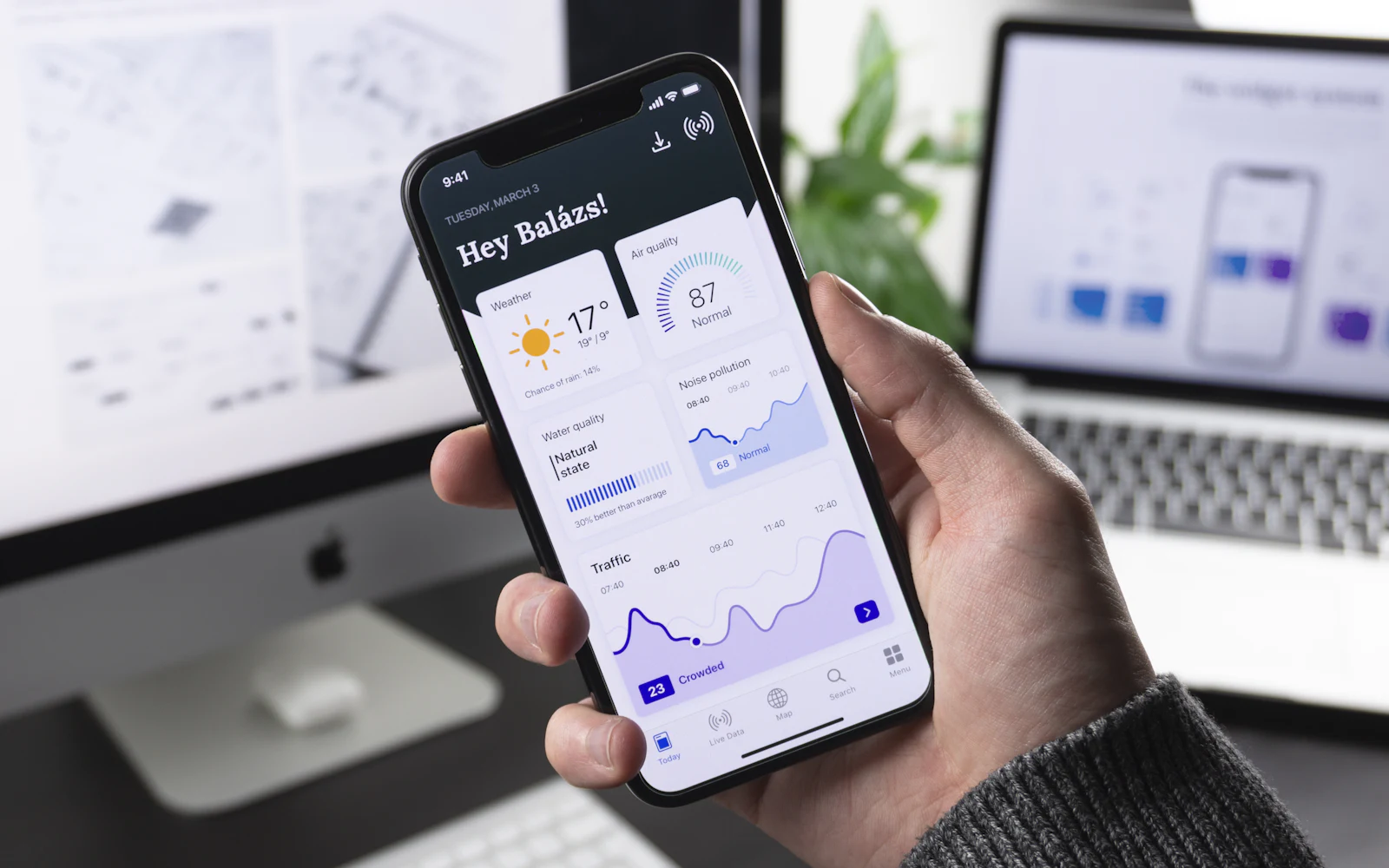
The transactional email — confirmation, ticket, itinerary, status update — is replaced by two pieces working together: a service notification that pings the customer inside WeChat, and a live order page in your Mini Program that the notification opens. Instead of a static PDF attached to an unread email, the customer taps through to the current state of their booking: dates, changes, directions, and a button to message you.
The difference is bigger than it sounds. When the confirmation lives where the customer already is, "did my booking go through?" messages fall away, schedule changes reach people before they travel, and reminders actually remind. For any business with a date attached to its product — arrivals, appointments, departures — this notification-plus-order-page pattern is usually the highest-value piece of plumbing to build first.
One more rail to know: SMS. Phone numbers, not email addresses, are the identity backbone of the Chinese consumer internet, and one-time SMS codes handle login and verification. If your signup form demands an email address and your password reset only works by email, you've built friction into the front door and a locked door behind it.
Where email still earns its keep
Don't decommission the mail server. Email remains normal for business-to-business correspondence with Chinese partners and for formal documents — contracts, letters supporting visa applications, invoices a customer needs for corporate reimbursement. Let email stay what it already is in China: the formal-paperwork channel. Just stop asking it to carry your marketing, your support, and your receipts.
Retooling a funnel that assumes email
A workable sequence for a team whose systems expect an email address at every step:
- Audit every automated email you send. Export the full list — most teams are surprised how long it is — and classify each message as transactional, marketing, or support.
- Rebuild transactional first. Confirmations and reminders are where silence does the most damage. Wire them to service notifications backed by live order pages.
- Make email optional at signup. Collect a phone number, offer WeChat login, and verify by SMS. A mandatory email field quietly filters out the customers you're trying to win.
- Move support into chat. Route pre-sale and post-sale questions to a staffed WeChat conversation, and set response-time expectations you can honor in China's waking hours.
- Replace the newsletter last. An Official Account content program only pays once there's a storefront and a support channel behind it.
- Change what you measure. Open and click rates give way to follower growth, notification delivery, chat response times, and repeat purchases.
The order matters because each layer leans on infrastructure — a verified account, a storefront, approved notification templates — and building them in sequence keeps the funnel live throughout. It's the same dependency logic that shapes how we stage a China channel build.
Where CN1X fits
This re-plumbing is the unglamorous half of what CN1X delivers for overseas brands: a verified WeChat presence, a Mini Program storefront with native notifications, and the day-to-day Chinese-language operations that keep the chat window answered — the full messaging-side stack. If your funnel still assumes an inbox, walk us through how it works today and we'll map which pieces to replace first.
More from the blog

Korean and Japanese Operators Selling into China
A short flight changes the customer. What long-haul advice gets wrong for operators in Korea and Japan, and which barriers you have already cleared.
What a Month of Running the Account Actually Looks Like
"What is the ongoing commitment" is really a question about calendars. Where the hours land, who they land on, and which parts cannot be batched.

What You Supply Before a Mini Program Build Starts
The quote is signed and then three weeks pass with nothing visible happening. Almost always the build is waiting on things only you can hand over.