Coupons and Member Cards: WeChat's Loyalty Toolkit
WeChat hands you loyalty mechanics with no app to install and no password to forget. The honest question is whether your business has anything to be loyal to.
Loyalty programs are where a lot of overseas brands quietly waste their first year in China. Not because the tooling is bad — WeChat's is unusually good, and it's sitting there waiting — but because the tooling is easy to switch on and the strategy is easy to skip. You end up with tiers nobody climbs and coupons that mostly discount purchases people were already making. This post covers what WeChat actually gives you, and then the more useful half: how to tell whether loyalty mechanics are the right tool for your business at all, because for a large slice of overseas tourism they aren't.
The short version: WeChat provides native coupons and member cards that live inside the customer's WeChat — no app to install, no account to create, identity handled by the platform. That removes the friction that kills Western loyalty schemes. But loyalty mechanics only pay off where repeat purchase genuinely exists. If most of your customers buy once in a lifetime, skip tiers and points, and spend the same effort on two things that do work on a single visit: converting inside the trip window, and making it easy for a happy customer to bring the next one.
What's actually in the toolkit
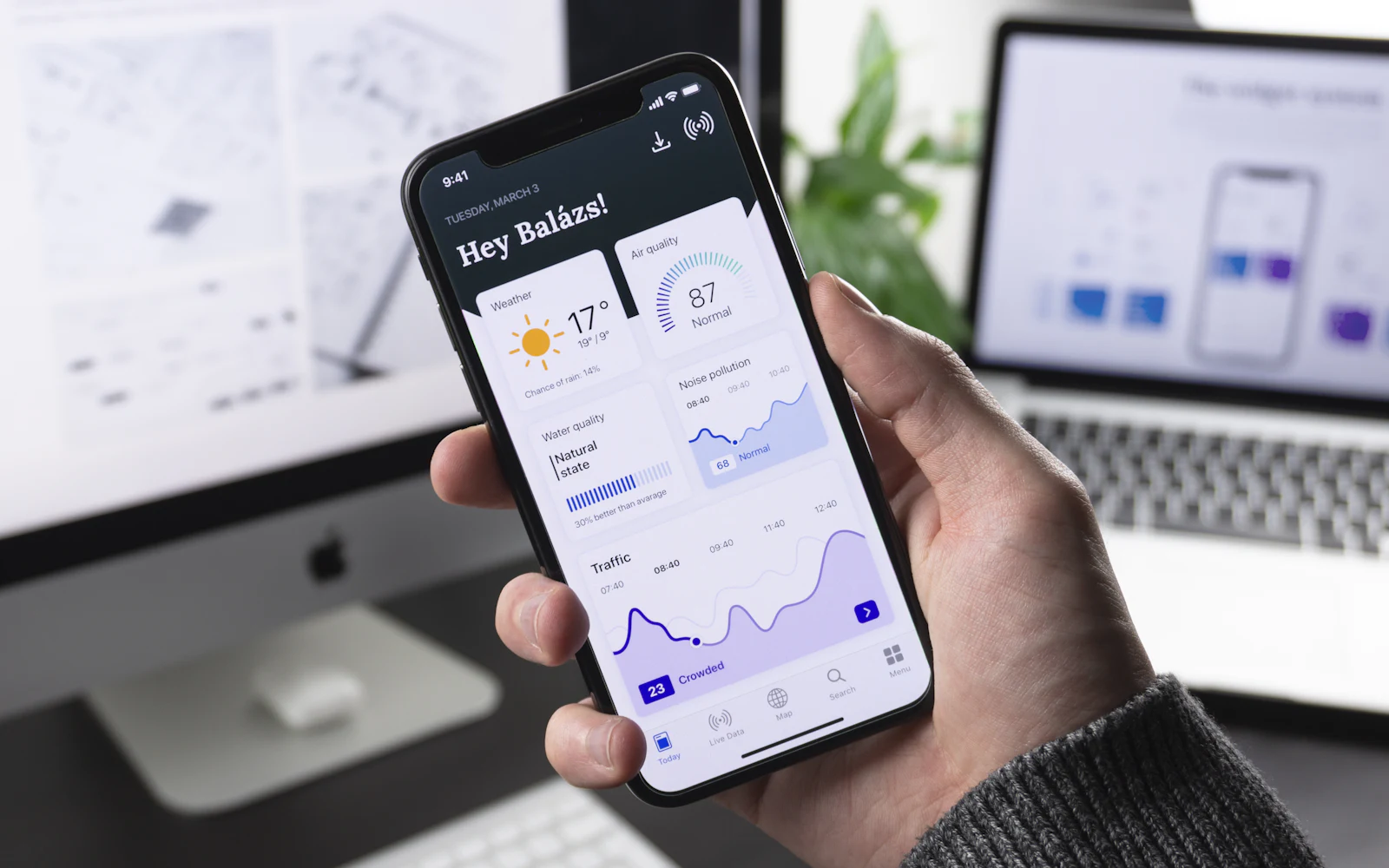
Two native constructs do most of the work. Coupons are issued to a specific user and stored in their WeChat, where they surface at the moment of payment or inside your storefront — a discount, a threshold offer, a free add-on, with your own validity window and quantity. Member cards are the persistent version: a card in the customer's wallet that holds their status with you, and can carry points, tiers and benefits.
The important detail is where they live. These aren't records in your database that a customer has to log in somewhere to see. They sit in the customer's own WeChat, alongside everything else they use, and they can be surfaced at the till or in your Mini Program without the customer remembering anything at all.
One honest caveat before you plan around specifics: which of these features you can use, and exactly how they behave, depends on your account type, verification status, business category and whether you're operating as a cross-border merchant — and the details have shifted over the years. Treat any hard specifics as things to confirm against current platform documentation rather than as fixed facts.
The friction that isn't there
To see why this matters, compare it with what a Western loyalty program asks of a customer: download an app, create an account, remember a password, keep the app installed for a year, remember to open it at the counter. Every one of those steps loses people, and the loss compounds.
WeChat removes essentially all of it. The customer already has the app, already has an identity, and already keeps their cards in one place. The mechanics we describe in what a Mini Program cannot do cut the other way here: because the storefront is inside WeChat rather than a separate install, loyalty attaches to a customer without asking them to adopt anything new. This is a real structural advantage, not a marketing line — and it's the reason a modest scheme in WeChat often outperforms a much more elaborate one built on an app.
The question to ask before you build any of it
Now the part that saves money. Loyalty mechanics reward repeat purchase. Their value is a function of how often the same person buys from you. So before designing tiers, answer honestly:
| Your business | Repeat purchase? | Is a loyalty scheme the right tool? |
|---|---|---|
| Restaurant, café, spa with Chinese residents nearby | Frequent | Yes — this is what the toolkit is for |
| Clinic or service with treatment courses | Yes, within a course | Yes, framed around the course rather than points |
| City tour or transfer operator serving repeat visitors | Sometimes | Partly — worth a simple coupon, not a tier ladder |
| Long-haul destination experience most people do once | Rarely | No. Tiers and points will sit unused |
That last row covers a great many overseas tourism operators. A traveler who crosses the world once for a milestone trip is not going to climb your tier ladder. Points they'll never spend are not a benefit; they're an unredeemed liability and a maintenance job.
For one-trip customers, use the trip window instead
If your customer buys once, the opportunity isn't the next year — it's the next ten days, while they're in your country. That window is short, real, and mostly ignored.
Two mechanics fit it. First, the in-trip offer: someone who has just finished a good day tour is the single warmest audience you will ever have for a second one. A coupon issued right after the first experience, valid only for the remainder of their stay, converts far better than a generic discount aimed at strangers — and it's a native, low-effort use of the coupon toolkit. Second, the companion referral: travelers move in groups and talk to the other travelers they meet. An offer a happy guest can hand to someone else does work that no tier system can, because it borrows the credibility described in Chinese consumer trust signals.
Neither of these needs points, levels or a program name. They need one coupon and a well-timed message.
What discounting quietly costs
A coupon is a price change wearing a costume, and Chinese consumers are attentive shoppers who compare, screenshot and remember. Issue discounts on a predictable rhythm and you teach people to wait for them — which is exactly the erosion described in pricing in RMB: a price that moves around undermines the confidence that made someone willing to pay in the first place.
The safer patterns are the ones that don't touch your headline price: an added inclusion instead of a discount, an offer tied to a condition (second booking, off-peak date, larger group), or a benefit that costs you little and reads well — priority pickup, a better seat, a small extra stop. Protect the number and be generous with the experience.
Where it plugs into the rest of the channel
Loyalty mechanics are a layer on a relationship, not a substitute for one. The relationship itself lives in the surfaces we covered in what "private domain" means — your Official Account, your storefront's members, the conversations your team actually has. Coupons and cards are how you act on that relationship at a specific moment; service notifications are how you tell someone the moment has arrived.
Build in that order. A coupon issued into a relationship converts. The same coupon fired at strangers is just a discount, and a discount is the most expensive form of marketing you can buy.
Where CN1X fits
We wire the native coupon and member-card mechanics into the storefront where they earn something, and say so plainly when your business shape means a tier program would be busywork — that judgment is part of how we scope the work, not an upsell. If you're unsure whether your customers repeat often enough to justify any of it, that's a five-minute conversation worth having first.
More from the blog

Korean and Japanese Operators Selling into China
A short flight changes the customer. What long-haul advice gets wrong for operators in Korea and Japan, and which barriers you have already cleared.
What a Month of Running the Account Actually Looks Like
"What is the ongoing commitment" is really a question about calendars. Where the hours land, who they land on, and which parts cannot be batched.

What You Supply Before a Mini Program Build Starts
The quote is signed and then three weeks pass with nothing visible happening. Almost always the build is waiting on things only you can hand over.