Using Traveler Content: Permission, Credit and Practical Limits
A guest says "sure, use it" and means your Instagram. They have not agreed to a Chinese platform, a translation, their face, or forever — and the gap is where the trouble sits.
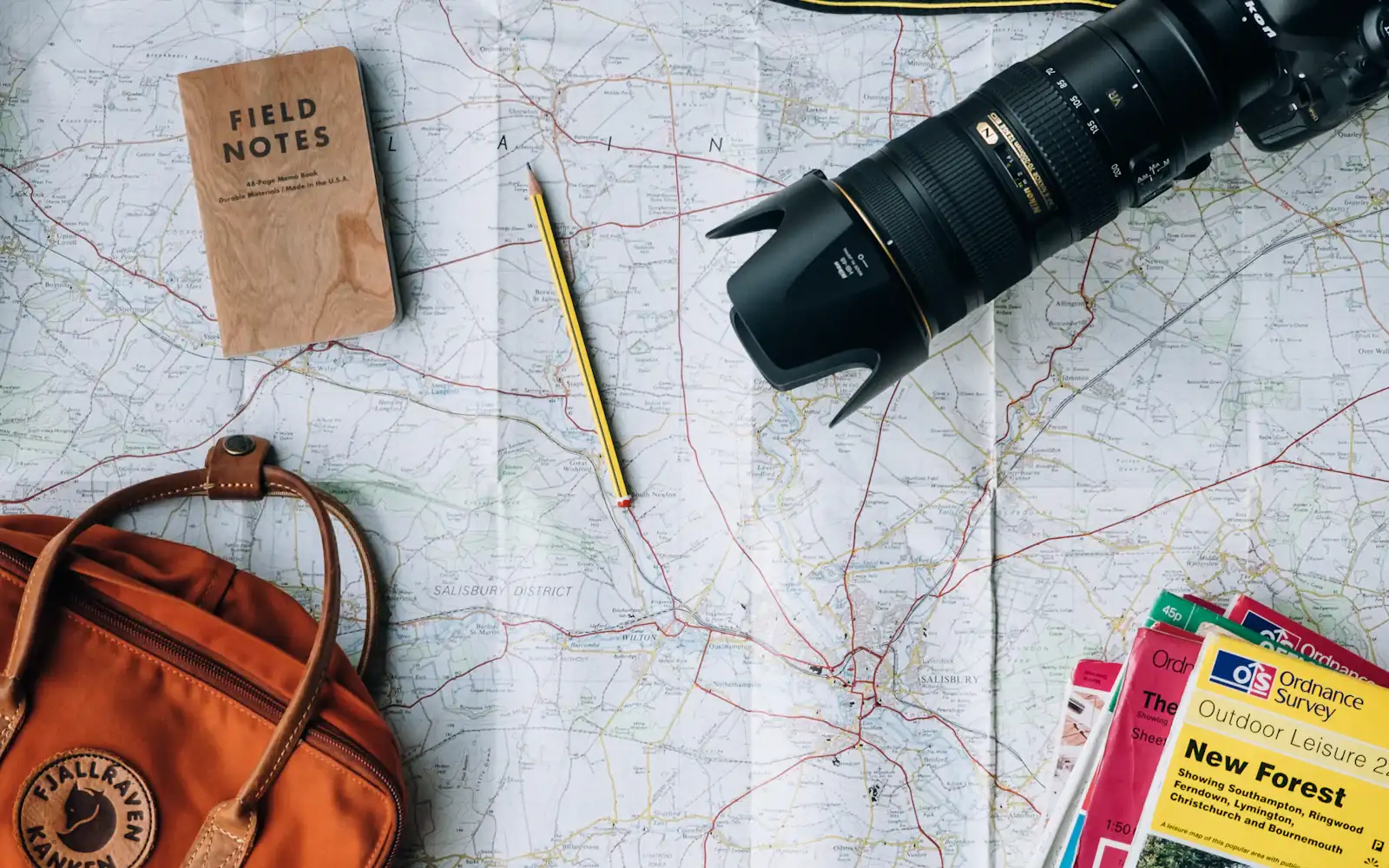
The best photograph of your tour was almost certainly taken by a guest. It has the weather you actually get, the group as it comes, and none of the staged calm of a marketing shot, and it reads as found rather than made. So operators use it, usually after a message that says "do you mind if we share this?" and a reply that says "of course". That exchange feels like permission and mostly isn't, because the two of you were picturing different uses. This post is about closing that gap without turning a friendly moment into paperwork. We covered the narrower case of chat screenshots in why Chinese consumers trust chat logs; this is about photographs and video.
The short version: "yes" is not one permission. A guest agreeing to a post on your Instagram has not agreed to a Chinese platform, a translated caption, paid promotion, their own name, or an indefinite term. Ask for the specific uses you want, in writing, in one short message. Remember they can only consent for themselves, not for the other four people in the boat. And credit is courtesy rather than a license: crediting someone does not make an unlicensed use licensed.
"Yes" is not one permission
When a guest agrees, they are picturing one thing: the photo appearing on the account they can see, in the language they speak, for a while. Everything you might reasonably want to do afterwards sits outside that picture.
Five dimensions are worth naming, because each is a separate ask:
- Where. Your website is not your Xiaohongshu account, and a Chinese platform is a genuinely different answer for most people. Name the platforms.
- How long. A note that keeps being retrieved by search does not expire the way a feed post does, which is the property described in why good notes keep selling for months.
- Whether their name appears. Some guests want the credit and some very much do not.
- Whether their face appears. A photograph of a landscape and a photograph of a person are different requests, whatever the file looks like to you.
- Whether it can appear in paid promotion. Organic and promoted feel identical to you and often do not to them.
None of that needs a legal document. It needs one message that says what you actually intend.
The ask, kept short
Something close to this, sent while the trip is still recent:
"We'd love to use your photo of the sunrise on our Chinese-language page and our Xiaohongshu account, with a Chinese caption. Happy either way on credit — tell us if you'd like your name on it or would rather not. And let us know if you'd prefer we didn't use the ones with you in shot."
That covers where, the translation, the name, and faces, and it invites a "no" on the part people most often mind. A reply to that message is worth keeping, because the value of written permission is mostly that it records what was agreed rather than what everybody remembers agreeing.
Ask at the moment of enthusiasm rather than weeks later, for the same reason reviews get asked for at the peak of the day rather than at the end of it — the reasoning is in where Chinese reviews actually live.
The photographs you already have
Most operators reading this have an archive rather than a next guest, and the late ask is still worth sending. The booking email or the chat thread you already have is a legitimate channel, and a reply that arrives in October about a photograph from May is the same record you wanted at the time. Send it once and leave it — chasing a reply is how a friendly ask turns into a nuisance.
Triaging what you've got, easiest first:
- Shots your own staff took with nobody identifiable in them. Usable now.
- Staff shots with guests in frame. These need the ask, or a crop that removes the question.
- Anything a guest sent you. Needs that person, and where other people are identifiable, needs them too.
Where nobody replies, or you can no longer tell who sent you the file, the default is to leave it out. "I couldn't find them" is not consent.
They can only speak for themselves
This is the one that catches careful operators. Your guest can agree to their own image. They cannot agree on behalf of the other people in the vehicle, the family at the next table, or the guide who happened to be in frame.
Group photographs are the common case, and the workable habits are dull: prefer shots where other guests aren't identifiable, ask the people who are, and crop when asking isn't practical. Children are a separate matter again, and the answer that keeps you out of difficulty is to get it from the parent explicitly or not use the image.
Your own staff are not automatically covered either. A guide who is happy to appear on your English site may feel differently about a Chinese platform, and it is a two-minute conversation to have before rather than after.
Credit is courtesy, not a license
Crediting the person who took the photo is good manners and sometimes a condition of their agreement. What it is not is a substitute for permission. Using an image you had no right to use and adding a name underneath does not convert it into a licensed use; it documents it.
Two practical wrinkles on Chinese platforms. A foreign handle is not tappable or searchable in the way it would be on Instagram, so credit that means anything usually has to be a name written in the post rather than an @ that goes nowhere. And routing people to an external profile runs into the platform restrictions we described in comments and DMs, so plan the credit to work inside the platform.
Reposting a note is a different act
A guest giving you a photograph and a guest publishing a note about you are not the same situation. Screenshotting somebody's Xiaohongshu post into your own feed is republishing their work, and the fact that it flatters you doesn't change that.
Platform rules on reposting and on watermarks vary and get revised, so the durable position is behavioral rather than legal: ask before you repost, don't remove a watermark or a username from an image, and if the answer is no, treat that as the end of it. A creator's note that mentions you is already doing work where it sits.
What permission cannot fix
Three things that a guest's blessing does not resolve.
Other people's brands in the frame. A logo on a building, a hotel's signage, a bus livery. Naming and depicting a business you work with is not automatically permitted, which we noted in what gets a Mini Program rejected.
A paid creator's deliverables. If you commissioned the content, what you may do with it depends on what the engagement said, and with an agency in the middle the answer is often narrower than the client assumes — usage windows, platform lists and whether paid amplification is included. Read the terms before planning a campaign around the footage.
Provenance you can't demonstrate. Platform review asks, in effect, whether the material is yours. A photo forwarded through three chats with no record of who shot it is a problem at submission even when nobody objects.
The boundary of this post
These are working habits, not legal advice. Image rights, personality rights and the rules on children differ by country, platforms set their own additional terms, and a commissioned creator engagement is a contract question rather than an etiquette one. If a use matters commercially, that is the point to ask somebody qualified. The personal-data side of holding this material sits with the habits in compliance basics.
What you can do without any of that is keep the record. Store what was agreed next to the file it applies to, so that in a year somebody can answer "are we allowed to use this?" without a search through old messages.
Where CN1X fits
We build from material you supply, and before anything goes into a Chinese page or a note we ask the same question about each image: what did the person agree to. Where the answer is unclear we leave the image out rather than assume, which occasionally means a plainer page than the one we could have made.
We don't take traveler content off platforms to fill a gap, we don't remove watermarks, and we don't invent testimonials. If you have a season of guest photographs and no idea which of them you're allowed to use, tell us what you've got and we'll say which ones we'd ask about first.
More from the blog

Korean and Japanese Operators Selling into China
A short flight changes the customer. What long-haul advice gets wrong for operators in Korea and Japan, and which barriers you have already cleared.

What a Month of Running the Account Actually Looks Like
"What is the ongoing commitment" is really a question about calendars. Where the hours land, who they land on, and which parts cannot be batched.
What You Supply Before a Mini Program Build Starts
The quote is signed and then three weeks pass with nothing visible happening. Almost always the build is waiting on things only you can hand over.