When a Chinese Guest Has Paid but Cannot Find a Booking
Handle a Chinese guest's missing-booking report with verified payment and reservation records, a support owner and a response that prevents repeat payment.
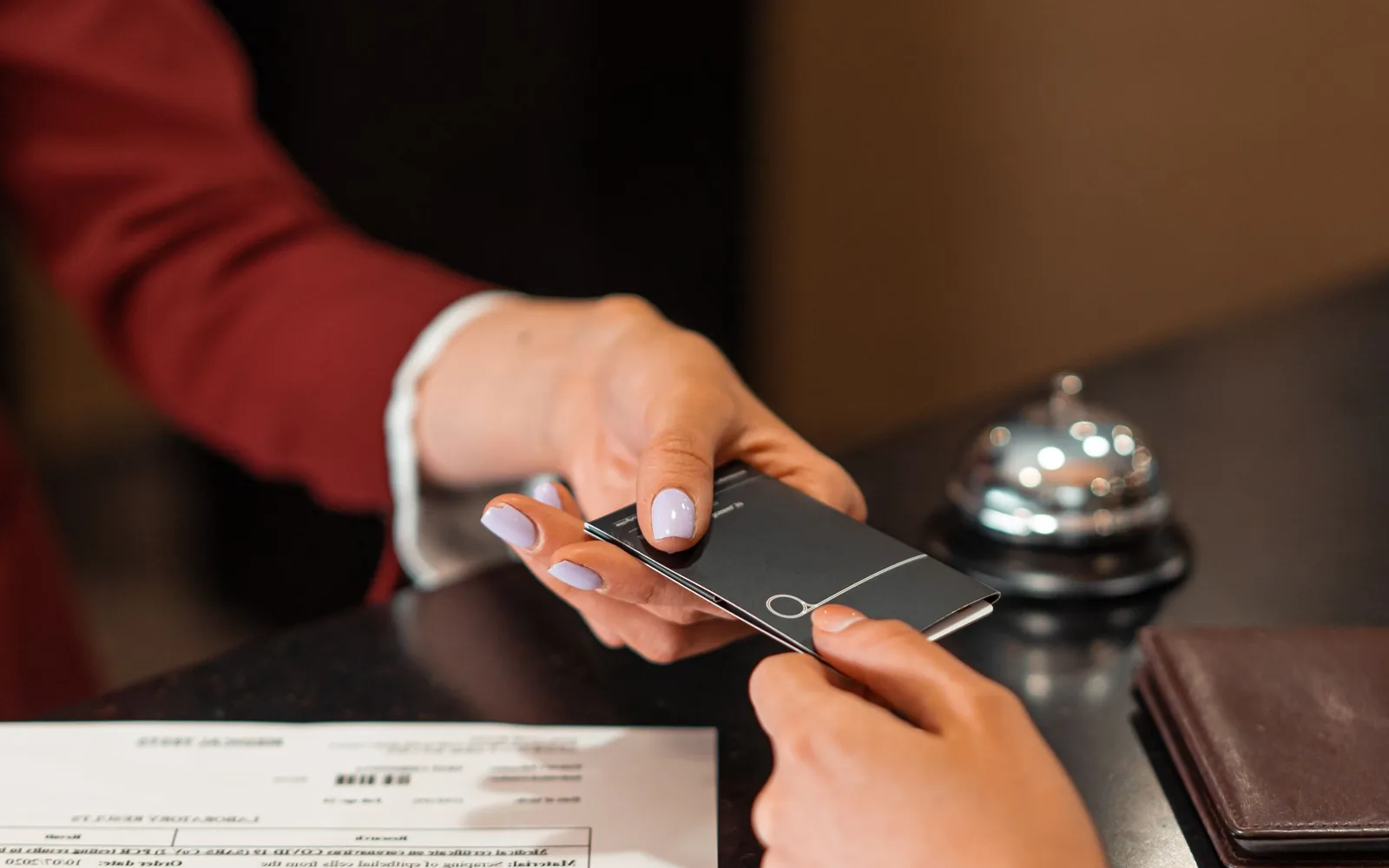
“I paid, but there is no booking in the Mini Program.” The guest sends a wallet screenshot. Your reservations team searches by their Chinese chat name and finds nothing. Someone suggests starting again and paying through a fresh link.
That response can turn one unresolved transaction into two. For an overseas tourism operator, the immediate task is to locate the payment and the intended reservation, then return a Chinese answer backed by both records. CN1X's Mini Program, payment connections and Chinese support need an agreed incident handoff for this situation, including who can investigate and who can authorize the outcome.
The short version: acknowledge the report without asking for another payment. Identify the purchase through the supported private service route, have authorized staff verify the transaction and booking separately, and assign one person to return the result. A missing booking screen does not establish payment failure; a successful payment does not establish a confirmed seat.
Give the guest a useful first response
Consider a hypothetical guest buying a shared day tour through a Chinese Mini Program. The intended departure is approaching, and the guest can see a payment in their wallet but cannot retrieve a reservation. This is an example for planning support, not a reported client incident.
Start by explaining what the team will check. Ask for the order reference, if available, and the intended tour and departure date. Establish urgency early: a guest standing at a departure point needs an operational contact as well as a technical investigation.
An initial Chinese message could read:
您好,我们会核对这笔付款和对应的预订,请先不要重复付款。请通过此客服对话提供订单号(如有),以及您预订的行程和出发日期。如果您即将出发或已到集合点,也请告诉我们。查明后,我们会在这里说明预订状态和下一步安排。
This promises an investigation and a returned answer, so use it only when someone owns that work and the conversation supports replying. Give a specific update time only when coverage has been arranged. Avoid “your booking is safe” while the reservation remains unverified.
If no order reference exists, ask for the relevant payment reference, amount, currency and approximate payment time through the authorized private route. Explain which detail is needed. Do not request a wallet password, verification code or an entire financial history to locate a tour purchase.
Locate the transaction behind the screenshot
Treat the screenshot as a lead for investigation. Check the displayed recipient and transaction reference against the merchant or provider records available to authorized staff. Do not mark the booking paid solely from an image, or assume an unfamiliar recipient label proves the guest paid the wrong business.
The payment team should identify the actual provider and merchant account used for that purchase. A platform wallet, the merchant's order reference and the provider's transaction reference may identify different parts of the same attempt. Keep their relationship explicit in the incident record.
If a search returns nothing, check the reference, account and time range before declaring failure. Record when the lookup was performed and what the provider actually reported. Where the result remains uncertain, use that provider's supported escalation process and keep the uncertainty visible to the Chinese response team.
For a concrete example, Alipay+'s official Order Code Payment documentation provides a payment inquiry for unclear or timed-out outcomes using the original payment request identifier. It also distinguishes a successful inquiry from the payment status returned by that inquiry. That guidance belongs to that integration; the responsible team must use the lookup method for the merchant's actual provider and product.
Search the reservation independently
Ask the reservations owner to look for the intended tour using the relevant order reference and approved customer details. Check whether the record is pending, confirmed, cancelled or simply absent from the customer's view. A search by chat nickname alone is insufficient to establish that a reservation does not exist.
Compare the product, local departure date, party and booking reference. A payment linked to a different itinerary should not be attached to the nearest matching name just to clear the incident.
If the reservation exists, investigate why the guest cannot retrieve it: the order-to-booking link, the customer access route or the confirmation delivery may need correction. Verify the guest's entitlement before sharing booking details. Do not ask them to send account credentials so someone can log in on their behalf.
If it does not exist, the operator must establish availability and the appropriate resolution. A support employee cannot create a seat by changing a status label. Our Chinese enquiry-to-booking guide explains the normal handoff; this investigation identifies where that handoff failed for a particular purchase.
Decide from the two verified states
Keep payment and reservation findings side by side. The following table is a proposed triage aid, not a replacement for provider procedures or the operator's obligations.
| Verified position | Next responsible action |
|---|---|
| Payment successful; reservation confirmed | Restore the guest's access or confirmation and check the details match |
| Payment successful; no confirmed reservation | Operator checks availability and authorizes a resolution; support keeps the guest informed |
| Payment unresolved; booking unclear | Provider and reservations owners investigate; support does not request another charge |
| Provider confirms payment failed | Check reservation and inventory state before offering a supported next purchase step |
| Evidence points to another seller | Verify the purchase route and direct the guest to the appropriate support contact without inventing access to that seller's records |
For the hypothetical shared tour, suppose the provider verifies the payment but the operator finds no reservation. The team should first establish whether the purchased departure can still be supplied. If it can, the authorized operator completes the supported booking process and links it to the verified payment. Check for an existing or delayed record before creating another one.
If the departure cannot be supplied, explain that fact and arrange the authorized remedy under the applicable terms and obligations. Present any alternative for the guest's decision. Do not silently move them to another date or describe a proposed refund as money already returned.
Keep one owner for the customer conversation
Several people may investigate, but the guest should receive a coherent answer. Give the Chinese support owner a record containing the purchase reference, intended departure, provider finding, reservation finding, next decision and responsible person. Keep the original report available to authorized investigators without circulating unnecessary personal information.
Time-stamp material updates. “Provider lookup pending” and “payment verified; operator checking departure” describe different positions. If an internal check stalls, the conversation owner should follow up with that team instead of asking the customer to repeat their story.
For an imminent departure, identify who can make an operational decision and how the guest reaches them. Do not promise boarding, collection or replacement transport without that person's confirmation. A technical ticket alone will not help someone who is already waiting at the meeting point.
Return the resolution through a usable Chinese route
When the booking is confirmed, send its reference, tour, local departure details and the supported way to retrieve it. Explain which payment has been matched and whether anything remains outstanding. Check that the operator's working record and the guest's confirmation agree.
For a refund resolution, communicate the actual provider-backed state and the reference the support team can use for further enquiries. Distinguish an authorized refund, a submitted request and a confirmed result. Avoid inventing an arrival date for the money; use the relevant provider's information for that transaction.
If the guest reports paying twice, locate both attempts rather than assuming one is a duplicate from matching amounts alone. Have authorized staff establish what happened and handle any adjustment through the supported process. The chat-booking payment guide covers keeping accepted offers, changes and payments connected.
Repair the route that produced the incident
After the guest's case has an established outcome, investigate the failure with the builder and relevant provider. Possibilities to test include a payment update that did not reach the order, a missing booking reference or a customer page showing an outdated status. These are hypotheses until the records support them.
Reproduce the relevant scenario with agreed test records and verify the customer and staff outcomes. Keep tests from charging or notifying unsuspecting guests. Update the Chinese status wording and support handoff where the incident exposed ambiguity. The Mini Program acceptance guide provides scenarios to include before reopening an affected purchase route.
Where CN1X fits
CN1X's services include Mini Program builds and iteration, Chinese customer conversations, payment connections and CRM. An agreed support scope should connect the customer report with authorized payment and reservation checks, a clear escalation owner and a returned Chinese resolution. The operator approves booking decisions and remedies; the payment provider establishes transaction outcomes.
Share an anonymized example of the gap between payment and booking. We can map the records, customer wording and support responsibilities that need to work together when a purchase goes wrong.
Related reading
From Chinese Enquiry to Your Booking System
Keep Chinese enquiries, availability decisions and payment records connected to your booking system. Use a field map and distinguish each booking status.
Deposits and Cancellations for Bookings in Chat
Keep a Chinese chat booking clear before money moves. Connect the agreed offer, deposit, changes and refund updates to one record your tourism team can use.

Testing a Mini Program Before Taking Bookings
Review a Chinese Mini Program from guest selection to staff confirmation. Test unavailable dates, repeated submissions and payment outcomes before launch.