Showing a Wet-Weather Tour on Douyin
Plan a Douyin video that shows how a tour changes in rain, separates a modified route from a cancellation and gives viewers a reliable booking answer.
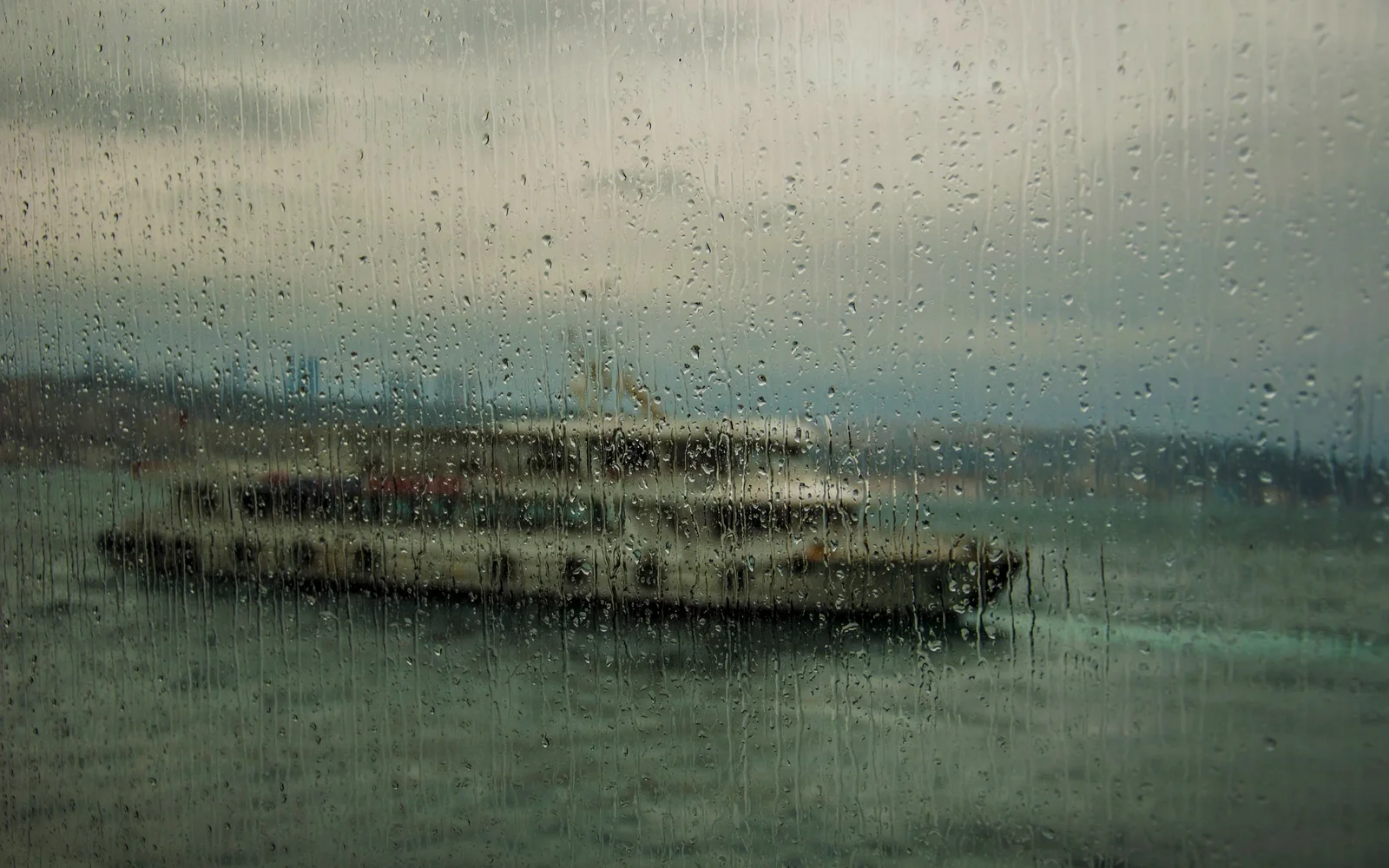
A visitor watches a Douyin clip for a harbour tour. All the footage shows people standing on the open deck. The visitor plans to bring a parent who needs a seat indoors and asks whether the trip still runs if the weather turns. Reservations answers “it depends,” but the team behind the video never asked which parts of the tour change or when a departure can be withdrawn.
A useful follow-up clip answers a question that comes before a booking: what experience could we actually have on a wet day? For a tour operator producing Chinese short video, that means showing a workable wet-weather trip and giving the account team a clear way to answer for a particular sailing. The footage, script and replies have to draw on the same operating plan.
The short version
Film the experience the operator can offer when a trip runs in rain. Describe the possible changes in Chinese, and let the operator confirm whether a particular departure will run.
Get the operating decision before asking for a script
Use a representative departure. In a hypothetical harbour tour, the vessel has covered seating and a short open-deck section. In light rain, the operator may continue with time indoors. In other conditions it may change the route or cancel the departure. Ask the operations team which version can be shown and what would still be uncertain until the day.
Find the practical details guests need. A covered cabin can be useful and still involve an exposed walk down a ramp to board. A sheltered boat may have fewer indoor places than its total capacity. If indoor seating is unassigned, that matters to someone choosing between two trips. Get a short, approved description of the boarding approach, seating and any stops that depend on conditions.
Record whose decision takes precedence on the day and how reservations can get it. The editor needs permission to describe the operating plan. The person answering a time-specific enquiry needs access to the current decision. Keep the two roles visible in the handoff, especially when a creator or agency manages comments away from the harbour.
Show what a guest actually gets
Open the clip with a question many guests ask. 下雨天还能坐这个船吗? (“Can you still take this boat in the rain?”). Follow with footage of the covered cabin, the view through the window and the part of the boarding route where someone may be outside. When you show a sheltered seat, hold the shot long enough for the viewer to see where it is. A wide shot of rain over the harbour sets the scene. The boarding and seating shots answer the question.
Keep each title attached to the footage it describes. 有室内座位 (“indoor seating is available”) works where the seats are visible and the operator has confirmed the wording. If parts of the itinerary can change, use a second caption tied to the relevant segment, such as 部分停靠点可能因天气调整 (“some stops may change because of weather”). Use it only for a tour with that policy and those stops. A short explanation holds up better than a general “rain or shine” label when the clip is shared later.
Film on an operating day with the crew's approval, using a rehearsal visit if that is safer or easier. Get the operator to identify the correct vessel or operator-owned footage. The short-video production guide explains how to plan modest footage around the detail a buyer needs to see. Here the detail is the wet-weather experience on this tour.
Give viewers a way to ask about their sailing
Use the account's approved contact or booking entry. Ask for the local sailing date and time, and the tour name if the account promotes several vessels. If the operator can use a reservation reference, request it through the ordinary private booking channel. A public comment can answer the policy in general terms without exposing a guest's booking details.
The account needs two short replies ready. For an unbooked visitor, explain what may change on an operating departure and who can confirm the date and seating. For a booked guest, tell them where the operator will issue a confirmed change and what action to take. An example interim reply is 这班船的安排还在确认中,请留意订单通知 (“We are still confirming this sailing. Please check for updates on your booking”). Use it only if someone will update that booking and the notification route has been checked.
A route change and a cancellation carry different consequences. If the reply says the trip is cancelled, give the guest the contact or booking channel that can handle their options under the policy they booked. If a revised trip is running, describe what changed. The WeChat day-of communication guide covers the operational follow-up after booking. The Douyin piece helps guests understand the options before they arrive at that point.
Make the clip usable after the weather changes
Keep the video useful on a dry day by framing it as an example of the operator's wet-weather plan. A dated operating update for a particular morning needs its date and departure stated in the image or caption. Store evergreen footage and departure updates separately so the next editor can tell which clips are safe to reuse.
Check the caption on the same small screen where the video will be watched. Put the confirmation instruction in the caption or in a shot with enough time to read it. Use the same tour name the account team will recognize when a message arrives.
Watch the final cut muted. A reader should understand that there is covered seating, that the shown experience is one possible version and where to confirm a particular sailing. Then ask a colleague to act out a same-day cancellation. From the public account, can they recognize which sailing is affected and find the staff member who can answer? If the clip or reply sends them back to a general tourism page, the operator still has a handoff to fix.
Where CN1X fits
CN1X's services include Douyin short-video planning, Chinese captions and the publishing and enquiry process around a clip. The operator supplies footage access, confirms the possible route changes and controls the departure decision.
Discuss a Douyin brief for your tour. Bring the footage you already show and one recent weather change your staff had to explain to guests.
Related reading
Short Video Without a Production Budget
The gear is not what is stopping you. What stops most operators is not knowing what to point the camera at, and thinking they need a shoot day to do it.
Day-Of Communication: Keeping Guests Informed Inside WeChat
The booking is confirmed and the money has cleared. Now a guest who does not speak your language has to find a specific car at a specific corner at 7am, possibly with no working data.

Keeping Chinese Bookings on Destination Time
Keep the destination date clear in a Chinese Mini Program. Connect the selected departure, payment summary and confirmation without device-time confusion.